
Men's Performance Nutrition Essentials
Master the fundamentals of male athletic nutrition with our comprehensive guide to building a sustainable, science-based approach to fueling your body for peak performance.
Why Nutrition Matters for Male Athletes
Proper nutrition is the foundation of athletic success. Your body requires a precise balance of macronutrients, micronutrients, and hydration to recover effectively, build muscle, and maintain optimal energy levels. Unlike generic fitness advice, performance nutrition addresses the unique metabolic needs of male athletes through evidence-based strategies.
Whether you're strength training, endurance work, or sport-specific conditioning, the foods you consume directly impact your recovery speed, power output, and overall training adaptation. Understanding these principles helps you make informed choices rather than relying on guesswork or trending supplements.
Our detailed approach covers everything from pre-workout fueling strategies to post-exercise recovery protocols, helping you optimize each meal for maximum training benefit.

Building Your Personalized Nutrition Framework
Every athlete is different, which is why a one-size-fits-all approach rarely works. Your nutrition plan should reflect your specific training goals, body composition, activity level, and metabolic profile. This section of our guide helps you assess your individual needs and create a sustainable eating strategy.
We break down the process into manageable steps: calculating your caloric needs, determining macronutrient ratios, timing meals around training sessions, and selecting whole foods that deliver maximum nutritional value.
Rather than chasing quick fixes or extreme diets, we focus on building habits that support consistent, long-term improvements in athletic performance and body composition.
The information on this site is for educational purposes only and does not constitute medical advice. Always consult a qualified healthcare professional before making health decisions.
Four Essential Nutrient Categories
Protein
Essential for muscle repair and growth, protein is the building block of athletic performance. Male athletes typically require 1.6–2.2 grams per kilogram of body weight daily, distributed across multiple meals for optimal muscle protein synthesis.
Carbohydrates
Your primary energy source for intense training, carbohydrates replenish muscle glycogen and support recovery. Timing carb intake before and after workouts amplifies training adaptations and enhances endurance capacity.
Healthy Fats
Often overlooked, fats support hormone production, nutrient absorption, and inflammation management. Quality sources like olive oil, avocado, and fatty fish provide essential fatty acids crucial for male hormonal balance and cardiovascular health.
Micronutrients
Vitamins and minerals enable energy production, bone health, and immune function. Athletes with high training volumes have elevated micronutrient needs; whole foods and strategic supplementation prevent deficiencies that impair performance.
Your Four-Step Nutrition Optimization Journey
Assess Your Current Intake and Goals
Begin by tracking what you're currently eating for 3–5 days to establish a baseline. Document meal timing, portion sizes, and food quality. Simultaneously, clarify your athletic goals: Are you building muscle, improving endurance, enhancing power, or optimizing body composition? This foundation helps identify gaps between current practice and performance needs.
Calculate Your Personalized Macronutrient Targets
Use evidence-based formulas to determine your daily caloric needs based on body weight, activity level, and training intensity. Break this into macro targets: protein (grams per kg body weight), carbohydrates (relative to training volume), and fat (percentage of total calories). These numbers become your daily roadmap, ensuring you're fueling adequately without excessive surplus.
Structure Meal Timing and Pre/Post-Workout Nutrition
Distribute protein throughout the day (every 3–4 hours) to maximize muscle protein synthesis. Time carbohydrates and some protein 1–2 hours before training for energy and performance, and consume a carb-protein combination within 30–60 minutes post-workout to support recovery. This strategic timing amplifies training adaptations far beyond random eating patterns.
Monitor, Adjust, and Refine Over Time
Track results weekly: body weight trends, energy levels, training performance, and recovery quality. After 2–3 weeks, assess whether your current nutrition supports your goals. If progress stalls or energy dips, adjust caloric intake or macro ratios by 5–10%. This iterative approach ensures your nutrition evolves with your training and prevents plateaus.
Key Features of Effective Performance Nutrition
Whole Food Priority
Base your nutrition on unprocessed, nutrient-dense whole foods: lean meats, eggs, legumes, vegetables, fruits, whole grains, and healthy fats. Whole foods provide fiber, phytonutrients, and micronutrients that support comprehensive health beyond simple macronutrient targets.
Consistency Over Perfection
Aim for 80–90% adherence to your nutrition plan rather than perfect compliance. Life happens—occasional deviations don't derail progress. Building sustainable eating habits that feel manageable ensures long-term athletic performance gains.
Hydration Strategy
Water intake directly impacts strength, endurance, and recovery. Aim for at least 3–4 liters daily, plus additional fluids during and after training. Electrolyte balance (sodium, potassium, magnesium) becomes critical during extended or intense sessions lasting over 60 minutes.
Periodized Nutrition
Adjust your nutrition to match training phases. During heavy strength phases, emphasize protein and adequate calories. During endurance blocks, increase carbohydrate availability. During deload weeks, reduce overall volume while maintaining micronutrient density.
Sleep and Recovery Integration
Nutrition cannot replace sleep but amplifies its benefits. Prioritize 7–9 hours nightly and support sleep quality with evening magnesium, balanced carbohydrate intake, and avoiding caffeine 6+ hours before bed. Recovery happens during sleep, not during training.
Strategic Supplementation
While whole foods form your foundation, targeted supplements address specific needs: creatine monohydrate for strength and power, whey protein for convenience, vitamin D if deficient, and electrolytes during intense training. Use supplements to fill gaps, not replace whole food nutrition.
Common Nutrition Questions Answered
The evidence supports 1.6–2.2 grams of protein per kilogram of body weight for athletes engaged in strength training. For a 180-pound (82 kg) male athlete, this translates to 130–180 grams daily. Distribute this across 4–5 meals to maximize muscle protein synthesis. Higher intakes don't provide additional benefit but ensure you meet minimum targets consistently. Choose diverse protein sources: chicken, fish, beef, eggs, Greek yogurt, legumes, and plant-based options to access different micronutrient profiles.
Timing matters significantly for performance. Consume carbohydrates 1–2 hours before training (e.g., oatmeal with banana) to fill muscle glycogen stores and provide sustained energy. Post-workout, consume 0.8–1.2 grams of carbohydrate per kilogram of body weight within 30–60 minutes to replenish glycogen and spike insulin for nutrient transport into muscles. This window is most critical after intense strength or endurance sessions lasting over 60 minutes. On lighter training days, absolute timing becomes less critical if daily carb targets are met.
Absolutely not—healthy fats are essential. Aim for 20–35% of total calories from fat sources including olive oil, avocado, nuts, fatty fish (salmon, mackerel), and whole eggs. Fats support testosterone production, reduce inflammation, improve nutrient absorption, and provide satiety. The key distinction is fat quality: emphasize unsaturated fats and omega-3 fatty acids while limiting ultra-processed trans fats. Avoid the old-school belief that all fat harms performance; modern research confirms adequate fat intake supports hormonal health and training outcomes.
Start with your Basal Metabolic Rate (BMR) using the Mifflin-St Jeor equation, then multiply by your activity factor (1.4–1.9 depending on training frequency and intensity). For most male athletes training 4–6 days weekly, multiply BMR by 1.6–1.75. Example: a 180-pound male with moderate activity might require 2,700–3,100 calories daily. To build muscle, add 300–500 calories above maintenance; to reduce body fat, subtract 300–500 calories. Track results weekly and adjust by 5–10% if progress stalls. Individual metabolism varies, so calculate as a starting point then refine based on actual results.
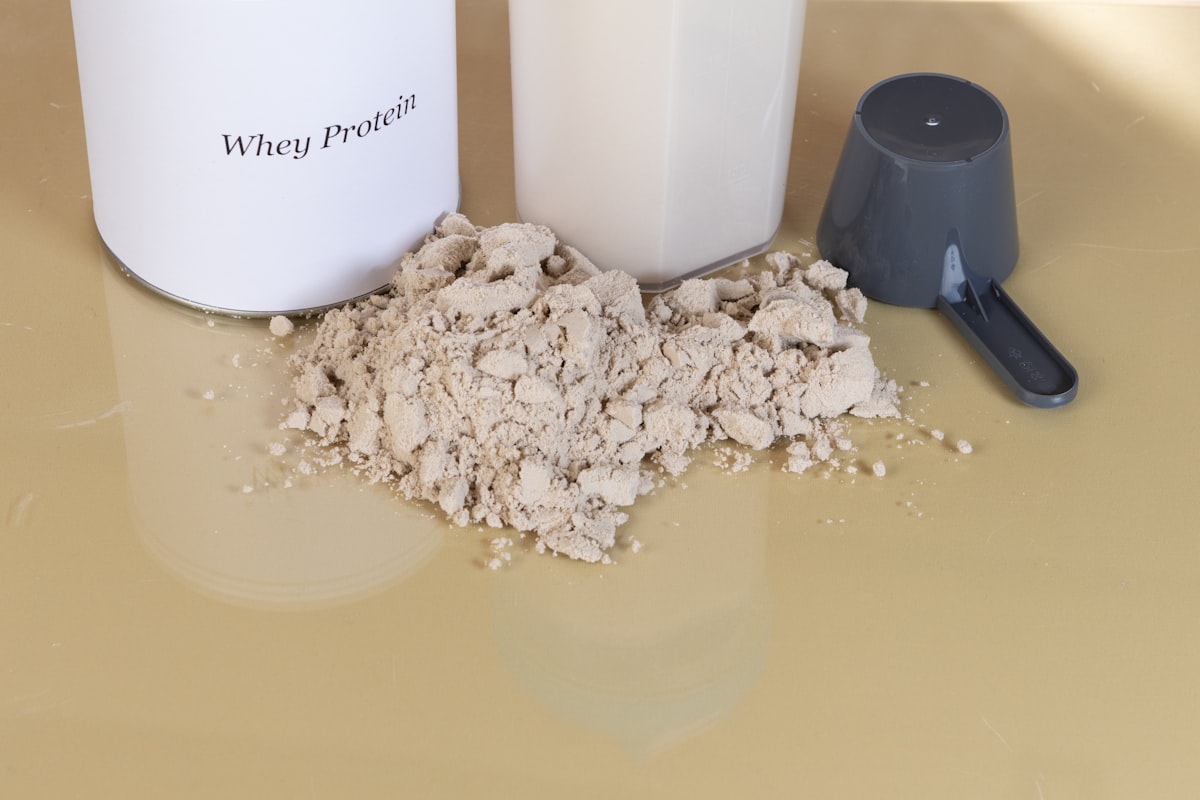
Protein powder is a convenience tool, not a requirement. If you consistently meet protein targets through whole foods, supplementation isn't necessary. However, whey protein isolate is useful when time is limited, after training when you need fast absorption, or if whole food options are unavailable. Choose products with minimal added sugars and ingredients. Aim for whole food as your primary protein source (80%+) and use powder strategically to fill gaps. Quality brands test for contaminants and provide transparent labeling—prioritize these over trendy, heavily marketed options.
Micronutrients (vitamins and minerals) enable energy production, immune function, bone health, and hormonal balance. Athletes with high training volumes deplete micronutrients faster than sedentary individuals. Magnesium supports muscle function and recovery, zinc influences testosterone, iron carries oxygen for endurance, and vitamin D regulates immunity and hormone production. Rather than pursuing supplemental multivitamins indiscriminately, focus on eating diverse whole foods: leafy greens, colorful vegetables, fruits, nuts, seeds, and quality proteins. This food-first approach provides superior nutrient bioavailability and synergistic compounds that isolated supplements cannot replicate. Test your vitamin D and iron levels annually, as deficiencies are common in athletes.
Ready to Master Your Performance Nutrition?
Dive deeper into evidence-based strategies, detailed meal planning, and sport-specific nutrition protocols. Access our complete library of articles and resources to optimize every aspect of your athletic fueling.
Stay Updated with Performance Nutrition Insights
Receive curated articles on nutrition science, recovery strategies, and training optimization—delivered to your inbox weekly.